- Tags:
- Forest Journal,
- Advocacy,
- Working Forests,
- Climate
Whether it’s conserving a forest, maintaining trails, supporting sustainable forestry or protecting clean water, much of the work of conservation is shaped by decisions made beyond the boundaries of any one property. Policies at the state and federal level influence how land is protected, how forests are researched and managed, and what resources are available to communities, landowners and conservation organizations.
That is why conservation work cannot stop at the edge of the woods.
In recent months, the Forest Society has joined conversations at both the state and federal level focused on issues that could have long-term impacts on New Hampshire’s forests and communities. This spring, Forest Society staff participated in discussions with New Hampshire’s congressional delegation and federal officials as part of the Land Trust Alliance’s annual Advocacy Days in Washington, D.C. Conversations centered on the importance of Farm Bill conservation programs, support for working forests and proposed legislation that could expand tools for long-term forest conservation.
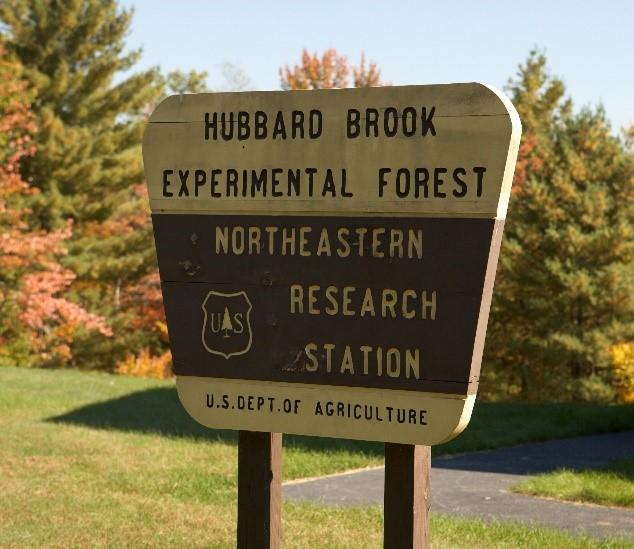
Closer to home, the Forest Society also participated in a roundtable discussion hosted by U.S. Sens. Jeanne Shaheen and Maggie Hassan regarding the U.S. Forest Service’s proposed reorganization. One of the major concerns raised nationwide was the future of the Bartlett Experimental Forest and Hubbard Brook Experimental Forest — places that have quietly shaped forest science and stewardship practices for generations.
What followed was an important reminder that public engagement matters.
After significant concern was voiced by researchers, foresters, conservation organizations, landowners and members of the public, federal officials announced that Hubbard Brook would remain open while plans affecting Bartlett would be reevaluated. State and federal leaders pointed to widespread advocacy and public support as part of those conversations.
These forests are more than research sites. The work conducted there helps inform how forests are managed for wildlife habitat, clean water, recreation, timber and climate resilience throughout New Hampshire and across the Northeast. Research from Bartlett has guided forestry practices for decades, helping landowners and foresters better understand how today’s decisions shape forests far into the future.
The recent response to these proposed changes demonstrated something else as well: people care deeply about the future of forests and open space. Scientists, foresters, hikers, landowners, business owners and community members all raised their voices because they understood what could be lost. Public comments, letters, conversations with elected officials and collaborative advocacy efforts helped elevate the issue and bring national attention to it.
Advocacy, in this sense, is not about partisanship. It is about ensuring that forests, farms, watersheds and open spaces continue to have a voice in decisions that shape the future of our region. It is also about recognizing that conservation benefits everyone — supporting local economies, protecting drinking water, sustaining recreation opportunities and helping communities adapt to a changing climate.
That spirit of collaboration is reflected in the recently released New Hampshire Open Space Study (available at forestsociety.org/openspacestudy), a statewide effort developed through partnerships among conservation, forestry, wildlife and community organizations. The study brought together groups including The Nature Conservancy, New Hampshire Association of Conservation Commissions, New Hampshire Audubon, New Hampshire Land Trust Coalition, New Hampshire Timberland Owners Association, Society for the Protection of New Hampshire Forests, Southeast Land Trust of New Hampshire and Statewide Program of Action to Conserve our Environment, with additional input from New Hampshire Housing and New Hampshire Farm Bureau Federation. Together, the report highlights the broad economic, environmental and community value of conserving the landscapes that define New Hampshire.
For 125 years, the Forest Society has worked alongside landowners, communities, researchers, policymakers and partner organizations to help conserve the places that define New Hampshire. That work continues not only in the field, but also in the conversations and policies that help determine what is possible for the future.
Protecting what matters requires stewardship on the ground — and engagement wherever decisions about our forests and communities are being made.