On Saturday, Sept. 26, National Public Lands Day will invite people across the country to celebrate and care for the landscapes they value. Here in New Hampshire, the date also coincides with the Forest Society’s 125th Annual Meeting.
Together, the occasions offer a reason to consider something easy to overlook: many of the landscapes enjoyed today are the result of commitments made long ago, often by people who would never see their full impact.
New Hampshire’s forests tell that story particularly well.
Much of the state was cleared for agriculture during the 18th and 19th centuries before forests gradually returned.
What happened next was shaped by generations of choices. Landowners cared for woodlots. Communities protected drinking water and open space. Volunteers maintained trails. Foresters managed working forests. Conservation organizations and public agencies protected land and habitat.
Few of those individual actions transformed the landscape on their own. Taken together — and sustained over decades — they helped shape the New Hampshire we know today.
Every year at the Forest Society’s Annual Meeting, members who have supported the organization for 50 years are recognized.
This year, those members began that commitment in 1976, when the United States was celebrating its bicentennial.
They could not have known what New Hampshire would look like in 2026, what pressures its landscape would face or what new challenges conservationists would be working to address.
They simply decided that protecting this place mattered, and they kept making that decision.
As the country marks its 250th anniversary this year, that kind of long view feels especially relevant. Lasting stewardship is rarely the result of a single action.
More often, it grows from choices repeated over time: supporting a place, caring for it and continuing to show up for it year after year.
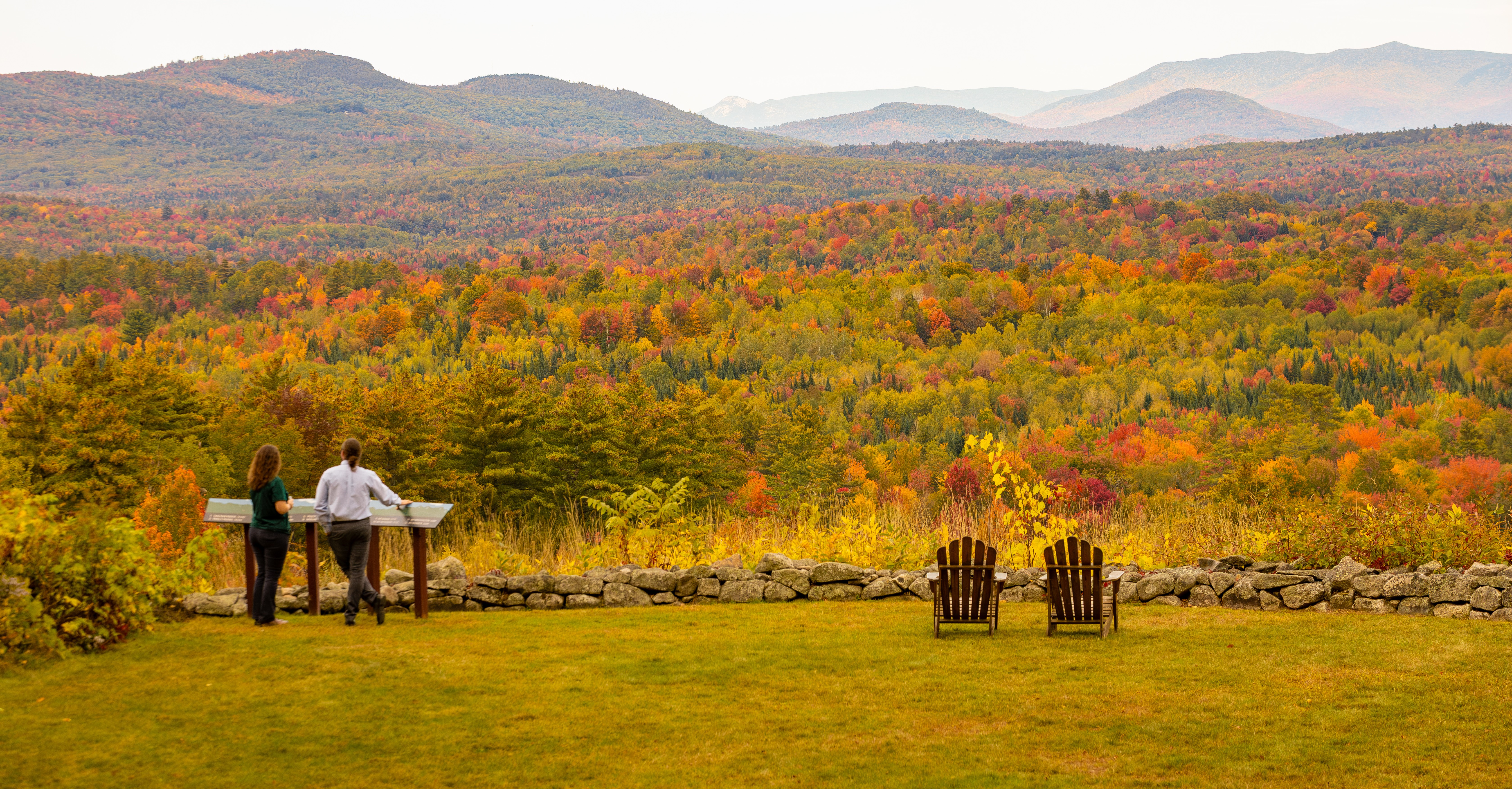
The results of that kind of commitment are all around us: mature forests, clean water, wildlife habitat, recreational trails and undeveloped ridgelines.
They are reminders that stewardship is often less about a single dramatic act than about consistent attention to a place over time.
That remains true today.
Forests and open spaces face continuing pressures from development, fragmentation, invasive species and a changing climate. Communities must also balance growth with the natural resources and quality of life that make places distinctive.
Those challenges can feel large, while many of the ways people contribute to their care are comparatively small.
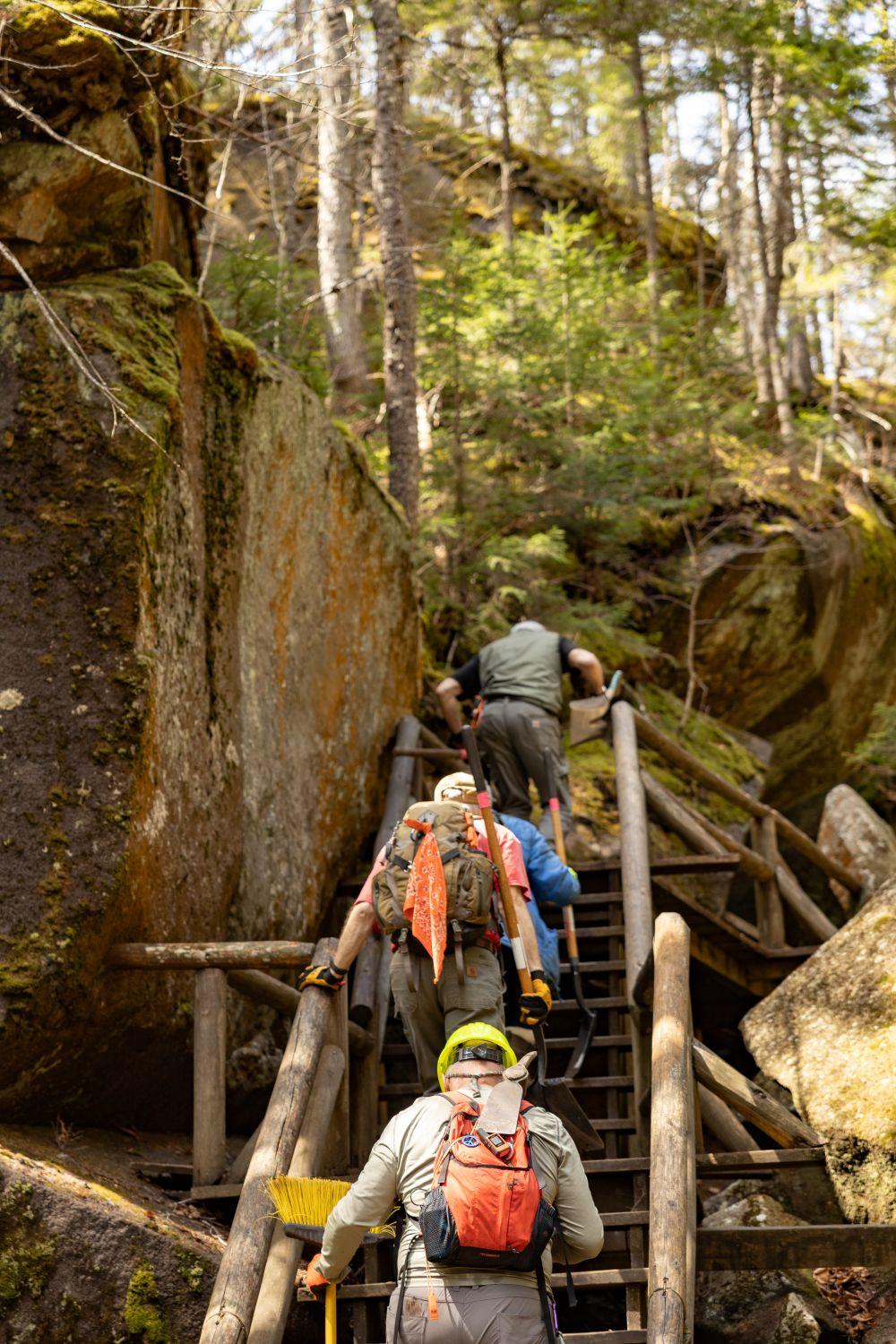
Maintaining a trail year after year matters. So does thoughtfully managing a family woodlot, volunteering for a community cleanup, serving on a conservation commission, supporting the protection of open space, planting trees or simply learning more about the land nearby.
The significance of those actions often becomes clear only with time.
A trail maintained today may still be used decades from now. A protected watershed can serve generations of residents. A tree planted now may reach maturity long after the person who planted it is gone. Land conserved today can remain part of a community long after nearly everything around it has changed.
That is one of the unusual things about caring for land: the work naturally asks people to think beyond their own experience.
Forests operate on a timeline much longer than ours. The landscapes enjoyed today were shaped, in part, by people who kept showing up, making choices and caring for places they believed were worth preserving.
Protecting the places that define New Hampshire does not depend only on sweeping actions. Often, it begins with something much simpler: choosing to care for a place and continuing to make that choice over time.