About the Property
The Forest Society purchased the initial 469 acres on Quarry Mountain in 2013; an additional 38 acres was bargain-purchased and added in 2016. Former granite quarry sites are scattered amid former livestock pastures on these now forested peaks.
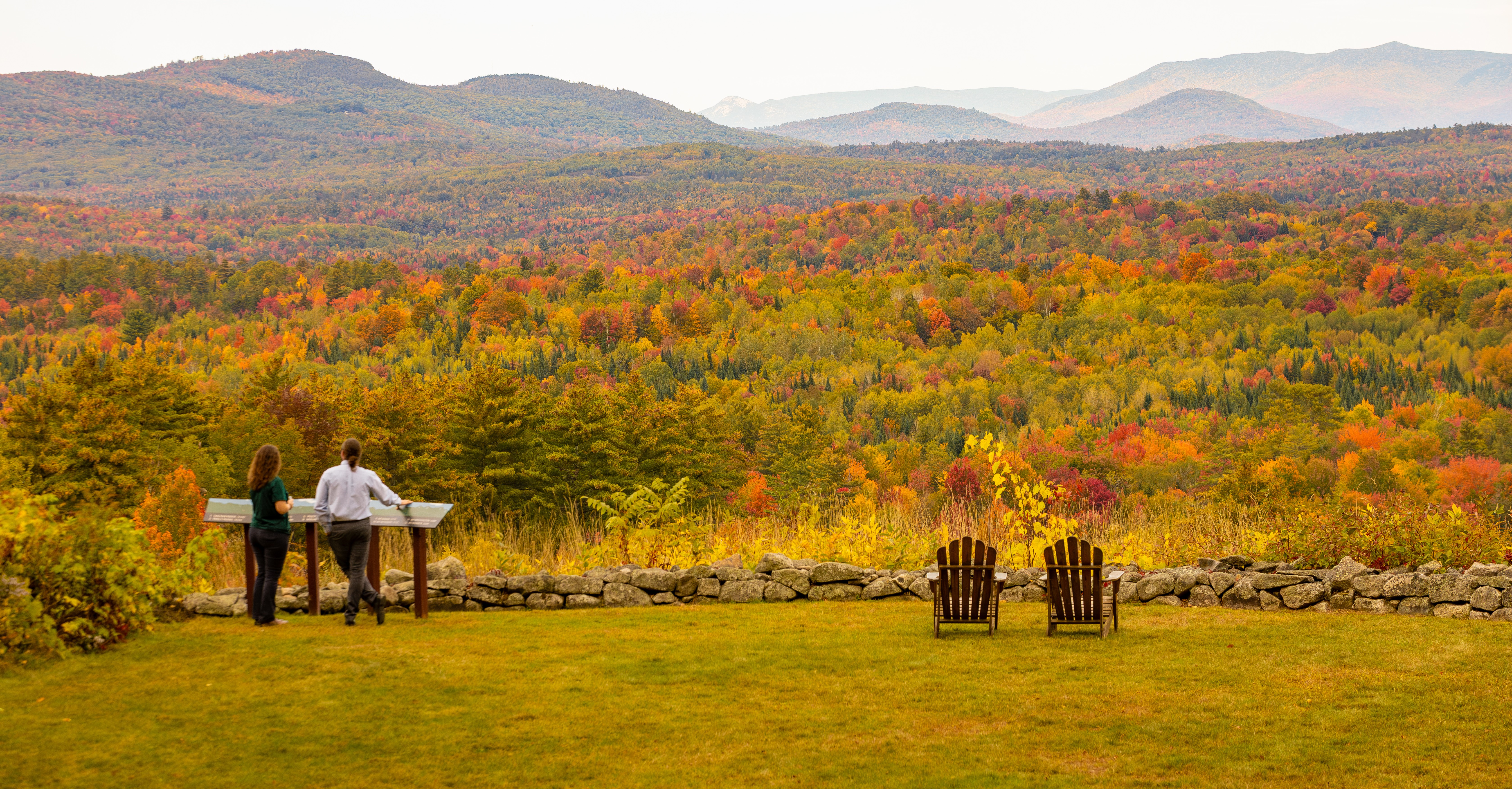
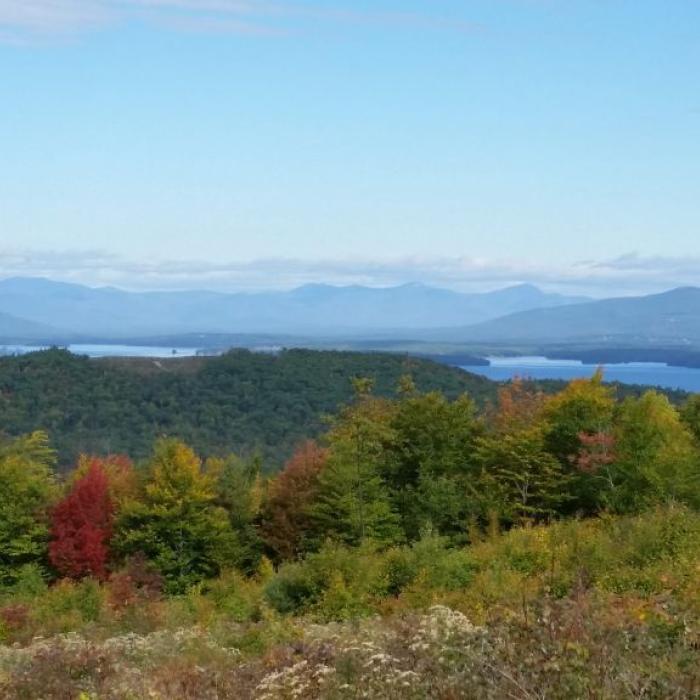
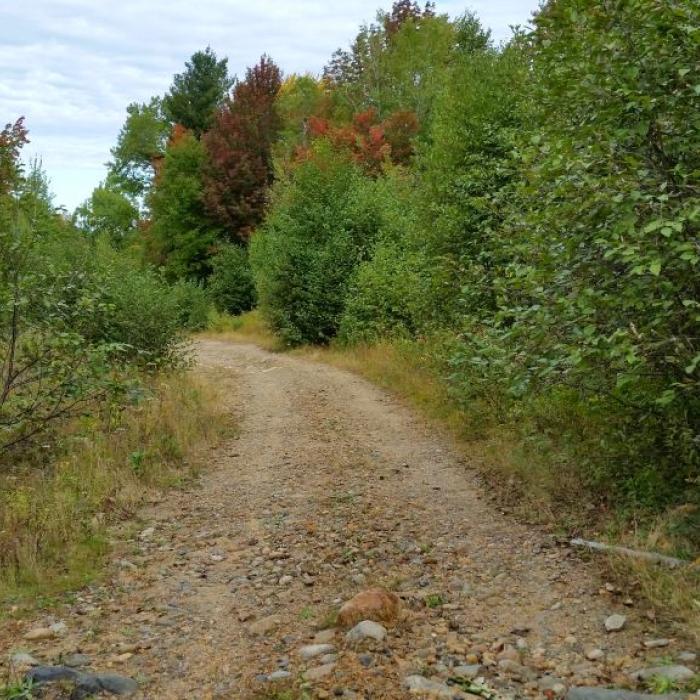
The Reed Road Trail to Quarry Mountain can be accessed from the parking area on the east side of Reed Road. From this parking area, the trail runs on Reed Road (Class VI) southerly and uphill, passing through our gate and continuing for 0.3 miles before entering the woods. The trail is moderately strenuous with steep grades. Beyond the access road, the trail enters into the woods at stone steps and follows switchbacks to reach the junction with the white-blazed Dave Roberts' Quarry Trail at the saddle between East and West Quarry Mountains. Views looking north across Lake Winnipesaukee include the Ossipee Range, tall peaks of the Sandwich Range, and Mounts Whiteface and Passaconaway in the White Mountains. From North Straightback Mountain are views of Mount Major at the mouth of Alton Bay.
PLEASE DO NOT PARK ALONG REED ROAD. The parking lot on the east side of Reed Road is not maintained in winter and may not be accessible during periods of significant snowfall.
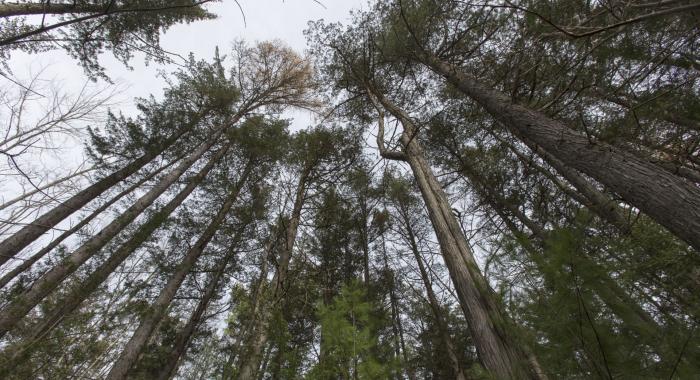
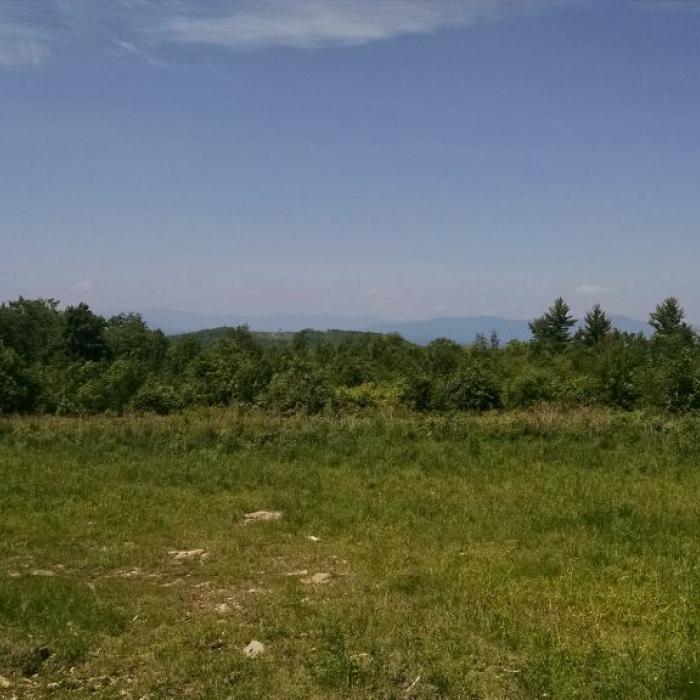
Quarry Mountain forest forms a natural bowl cradling a shallow beaver pond with excellent wildlife habitat. Waterfowl include wood ducks, hooded mergansers and mallards. Great blue herons, beavers, otters, mink, muskrats and moose are likely frequent visitors to the pond shore. Turkey vultures and porcupines inhabit crevices in the rocky talus boulders. Bears, bobcats, coyotes, gray fox and deer are among the larger mammals that call this forest home. Snowshoe hare, wild turkeys and raptors – hawks and owls – have been seen on the forest as well. The forests vary from young hardwoods – white birch, red maple and aspen – subalpine red spruce and fir and hemlock forest types. Former sheep and cattle pastures on West Quarry now grow white pine, spruce, red maple and juniper. Shallow, dry soils, extensive ledges and possible fire history have resulted in red pine and red oak forest types.
Recommended Properties Nearby
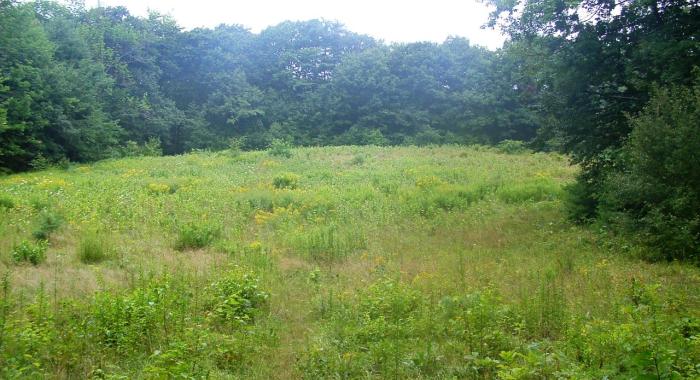
Two miles of trails/woods roads over gently rolling terrain through beech and hemlock forest. There are a few vernal pools visible from the trail network, and a field in the southwest corner of the property.
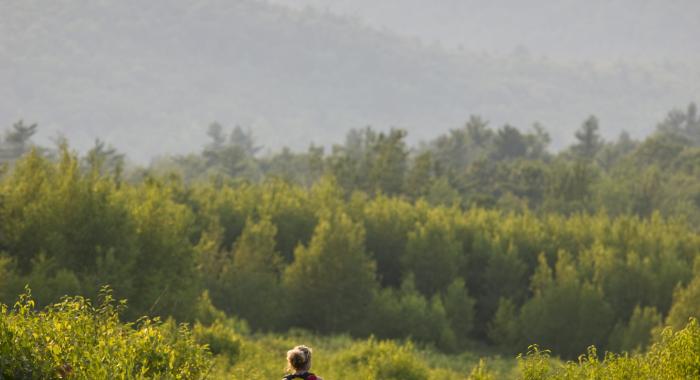
A network of trails starts from Avery Hill Road, including a 1.7 mile marked loop trail that winds through fields and forests to reach the top of Pine Mountain. The trail traverses the Avery Field near the site of the former Avery Farm and ascends the west slope of Pine Mountain. Open blueberry barrens at the summit provide spectacular views of the entire Belknap Range, including Mount Major and Lake Winnipesaukee, as well as excellent berry picking in season.