- Tags:
- Forestry,
- Stewardship,
- Wildlife
When we think about fire in our forests, images of devastating wildfires often come to mind. But fire can also play an important role in maintaining healthy, resilient ecosystems.
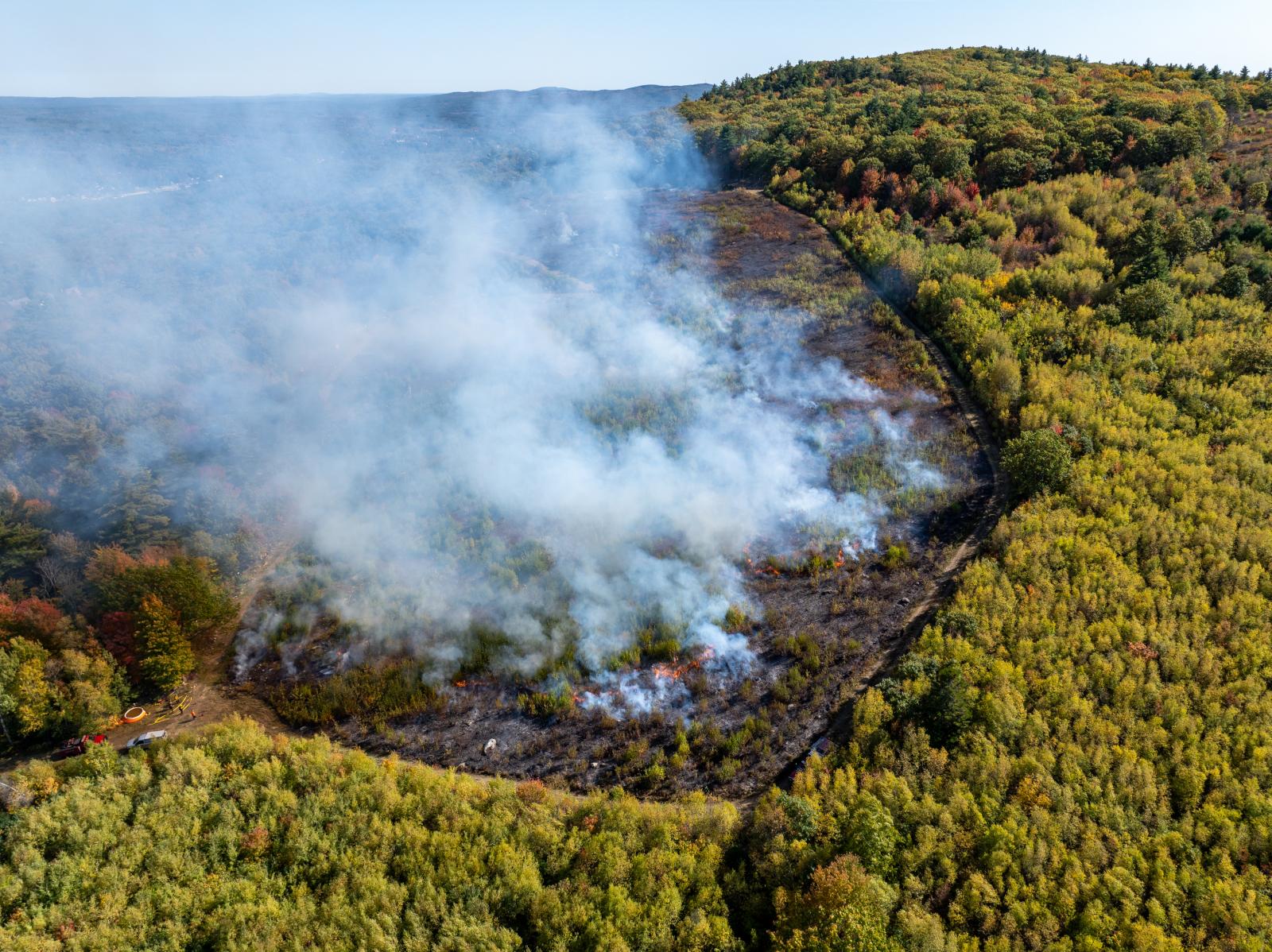
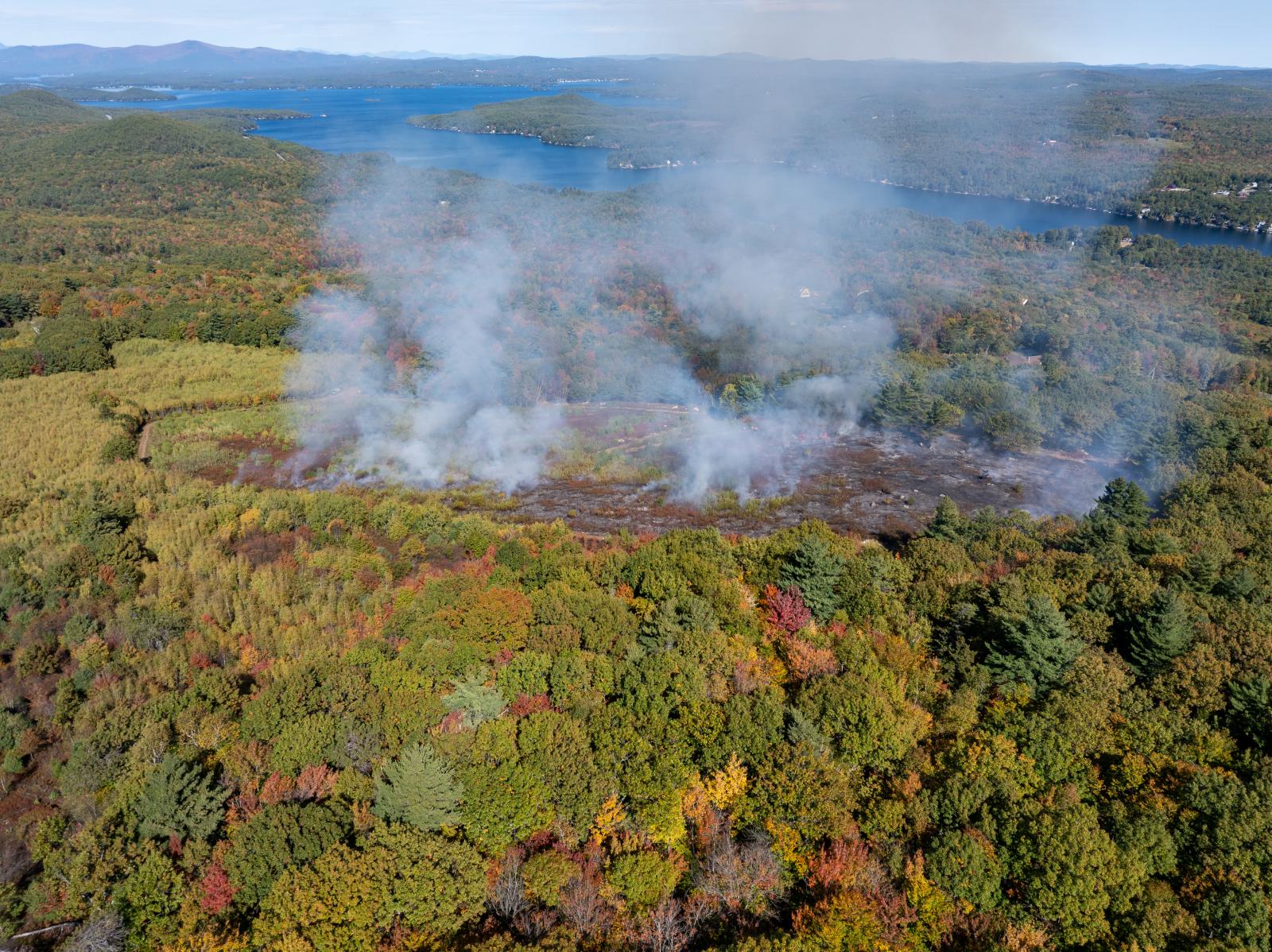
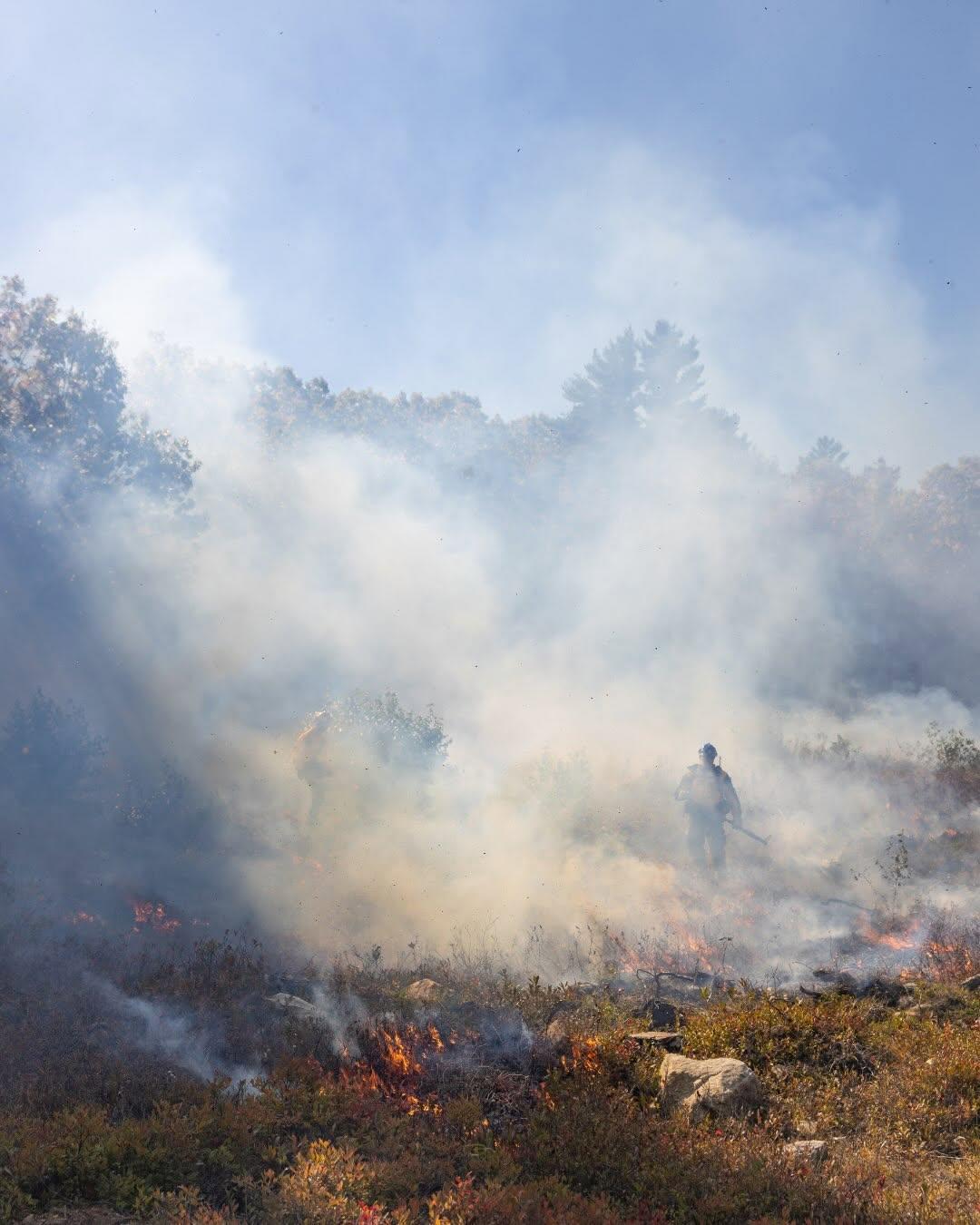
Earlier this month, the New Hampshire Prescribed Fire Council, of which the Forest Society is a proud founding member, completed a controlled burn at Morse Preserve in Alton. The project demonstrates how the careful, strategic use of fire can help restore important habitats, encourage native plant growth, and support long-term forest stewardship.
Why Fire Can Be Good for Forests
Historically, fire played a natural role in shaping many forest ecosystems. Today, climate change and human activities have disrupted those cycles, contributing to an overabundance of fire in some landscapes and a lack of it in others.
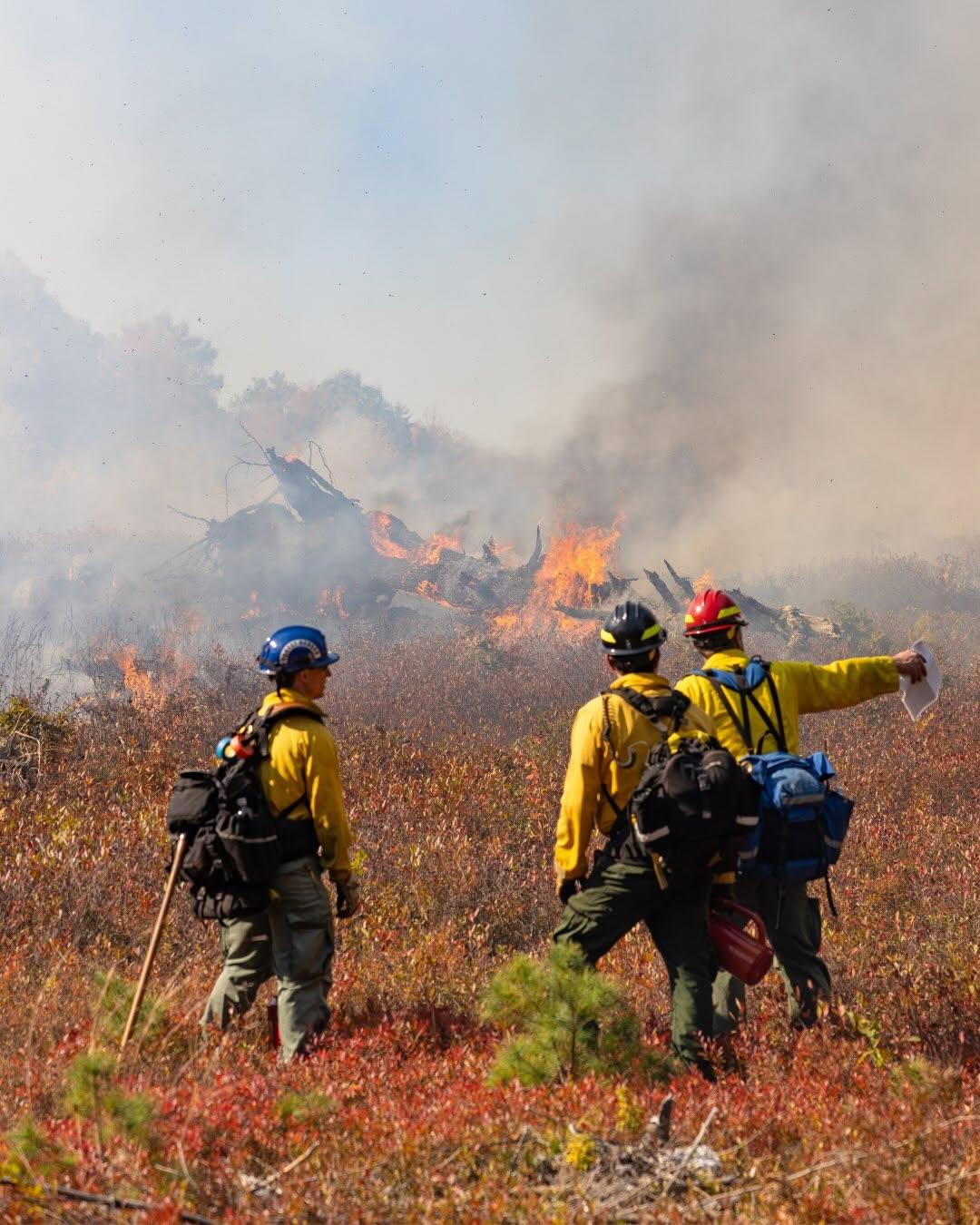
Prescribed fires, also known as controlled burns, are carefully planned and managed to achieve specific ecological objectives. When conducted under appropriate conditions by trained professionals, these burns can encourage forest regeneration, increase biodiversity, improve wildlife habitat, and reduce the buildup of vegetation that can fuel future wildfires. They also provide valuable training opportunities for wildfire response teams.
Here in New Hampshire, several native plant species benefit from periodic fire, including wild lupine, pitch pine, certain oaks, huckleberry, and lowbush blueberry. Some pitch pines even produce cones that open in response to heat, helping release seeds after a fire.
The benefits extend well beyond plants. The open woodlands and shrublands maintained through prescribed burning provide food and habitat for birds, butterflies, moths, bees, and mammals. Birds of prey use these open areas for hunting, while smaller wildlife species find shelter among new vegetation and deadwood.
Supporting Blueberry Growth
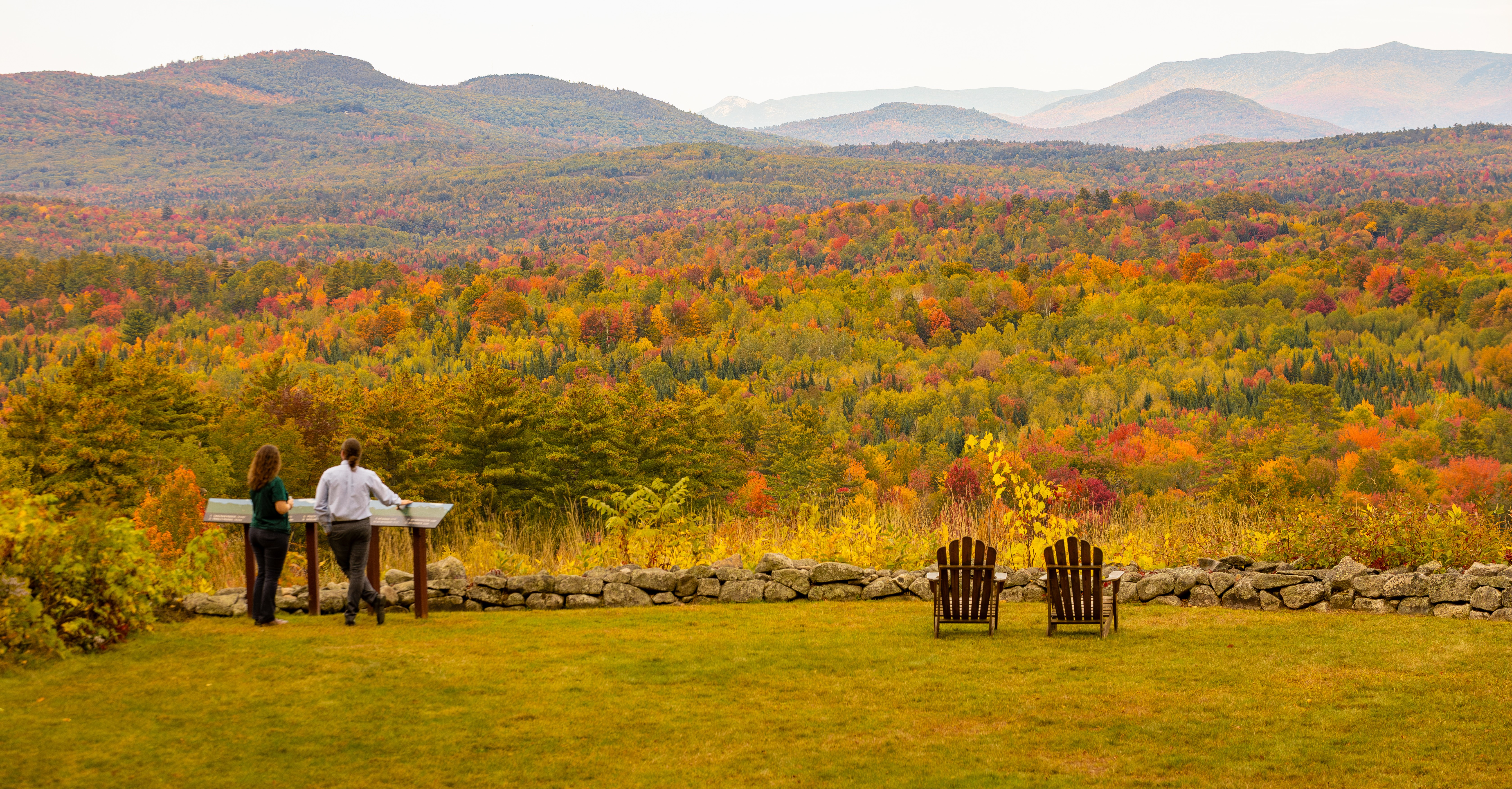
At Morse Preserve, one of the primary long-term objectives of the recent burn is to encourage the growth of lowbush blueberries along the mountain's sloping meadows.
For decades, portions of this landscape were managed as a blueberry farm by the Morse family. Restoring and maintaining this habitat is both an ecological investment and a connection to the property's history.
Fire helps rejuvenate lowbush blueberry plants by removing older aboveground growth and stimulating new shoots. Over time, this process can encourage healthier, more productive blueberry patches, benefiting wildlife and offering a familiar treat for hikers exploring the preserve.
A Collaborative Approach to Forest Stewardship
Prescribed burns require careful planning, specialized expertise, and coordination among multiple partners. The recent project at Morse Preserve was made possible through the collective efforts of the New Hampshire Prescribed Fire Council and its participating organizations.
As a founding member of the Council, the Forest Society is proud to support collaborative approaches to land management that benefit New Hampshire's forests, wildlife, and communities.
Thank you to everyone who contributed their time, expertise, and resources to make this project possible. Sometimes, protecting the future of our forests means recognizing the important role fire can play in keeping them healthy.